There is a lot of noise around crystals. Most of it is marketing. There are claims of miraculous healing, of energy transformation, of life-changing power. There are "starter kits" containing twenty stones you have no relationship with. There are fears, carefully cultivated, that you must have the "right" crystal or you will not experience the promised benefits. All of this obscures something simpler and more honest: crystals are beautiful natural objects, and some are more interesting to live with than others.
This guide is not about that noise. It is about a clear-eyed starting point. If you are drawn to crystals, what is worth knowing? What should you actually buy? How do you begin without getting caught in the marketing web?
Why People Start with Crystals
People begin with crystals for different reasons, and all are legitimate. Some are drawn to the visual beauty and want to build a collection of aesthetically interesting objects. Some appreciate the geological and mineralogical knowledge—the science of how crystals form, their chemical composition, their place in the earth. Some are interested in ritual or mindfulness and see crystals as focal points for attention. Some have read about traditions in which crystals play a role and feel curious about exploring those traditions.
What matters is understanding what you actually expect from crystals and adjusting those expectations to reality. Crystals will not magically solve your problems. They will not heal serious illness. They will not transform your life by their presence alone. What crystals can do: be beautiful, anchor your attention, create ritual and meaning through intentional practice, serve as reminders of qualities you wish to cultivate.
If you approach crystals as aesthetic objects, as geological marvels, as focal points for your own intention and awareness—if you accept that their value lies in your relationship with them, not in promised metaphysical effects—then crystals become genuinely interesting. They are not a shortcut to transformation. But they can be part of a thoughtful life.
Amethyst: A Good First Stone
Amethyst is violet quartz—quartz (silicon dioxide) coloured by traces of iron and exposure to radiation. It is widely available, visually compelling, and comes in every price range. You can find tumbled amethyst for a few euros or large crystal clusters for hundreds. This accessibility makes it ideal for a first stone.
What makes amethyst interesting is its colour. True purple amethyst—a rich, saturated violet—is striking. It is a colour that photographs well, that changes subtly in different lights. The crystal formations can be elegant and geometric, with pointed terminations that show the underlying mathematics of crystal growth. Amethyst also demonstrates the principle of crystal formation clearly: you can see how individual crystals stack and angle in relation to each other.
Many people report that amethyst creates a sense of calm or clarity. This is not a chemical effect—amethyst is not releasing compounds into the air that affect your nervous system—but rather the psychological effect of holding or looking at something beautiful, cool-coloured, and geometrically pleasing. This is real, even if it is not what marketing claims.
Black Obsidian: For Those Who Want Grounding
Obsidian is volcanic glass—formed when lava cools so rapidly that it does not crystallize. It is not technically a mineral in the strict sense, but it is a genuine natural object with its own character. Black obsidian is dense, smooth, and reflective. It is heavier than amethyst, cooler to the touch, visually arresting.
Where amethyst is ethereal and light, obsidian is grounded and solid. If you are drawn to qualities of stability, clarity, and groundedness—if you do not want something soft or dreamy—obsidian is worth considering. It has a different visual character entirely from most crystalline stones. It is almost black glass. Its shine and density give it visual weight.
Many people who work with obsidian describe it as a stone of clarity and protection. Again, this is not about the stone magically shielding you from harm, but about the psychological effect of something visually dark and dense and solid. In a world that often feels chaotic and overstimulating, holding something heavy and dark can be genuinely centering.
Moonstone: For Those Drawn to Something Luminous
Moonstone is a feldspar that exhibits adularescence—the quality of light scattering through microscopic layers within the stone, creating a moving, luminous glow. It is one of the few stones whose optical effect genuinely feels alive. Where amethyst is coloured and obsidian is reflective, moonstone is luminous. It appears to contain light.
Moonstone is slightly less commonly encountered than amethyst or obsidian, which makes it a more distinctive first choice. It is also somewhat softer and requires gentler care. But if you are drawn to something visually unusual, something that seems to glow from within, moonstone is unparalleled. There is no other affordable stone that quite has this quality.
People are drawn to moonstone for its ethereal quality, its association with the lunar and the cyclical, its sense of attunement to subtle shifts. It is a stone for those who notice light, who pay attention to phases and rhythms.
Clear Quartz: The Underrated Choice
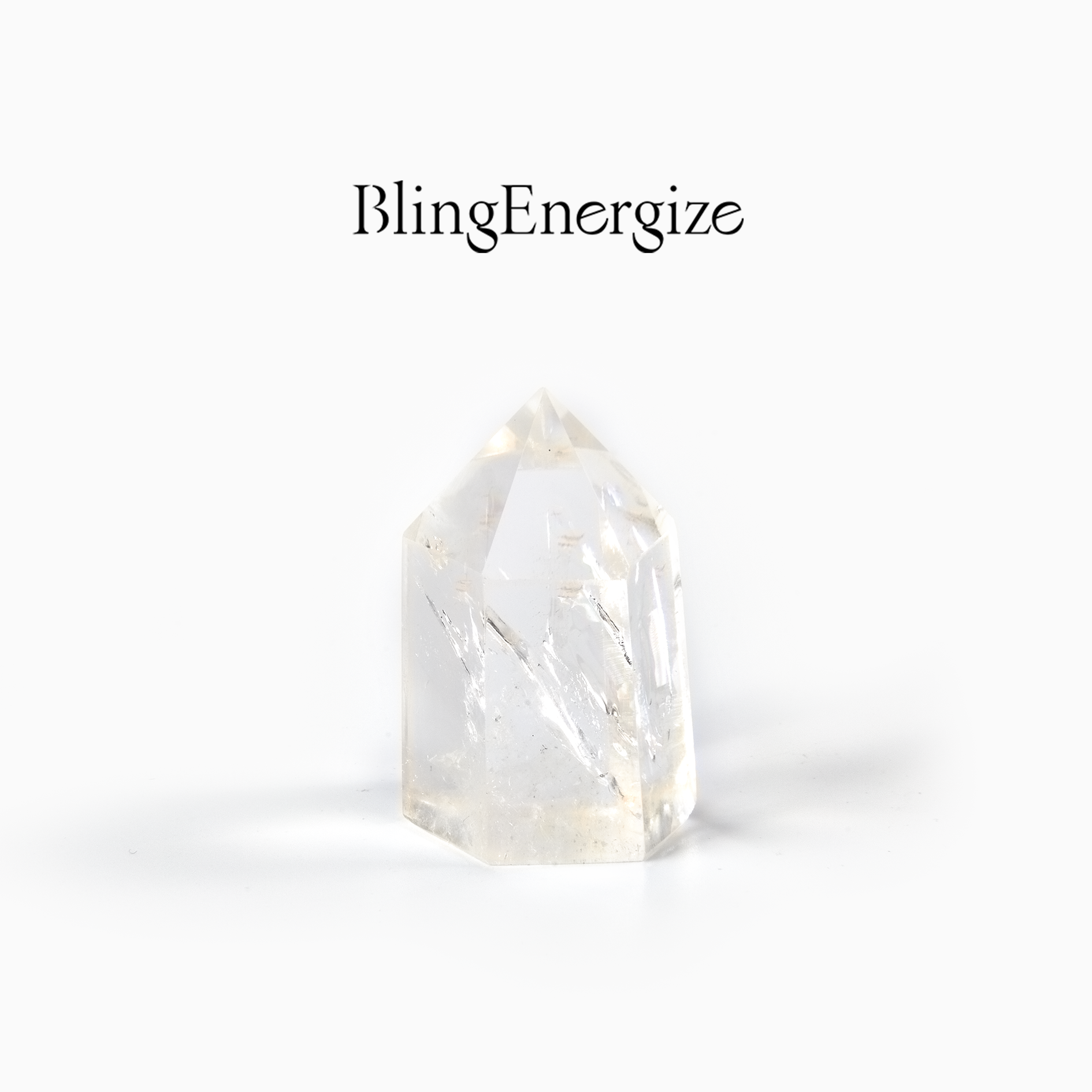
Clear quartz deserves a mention even though it may not be the most visually striking choice. It is the most abundant mineral on earth, the foundation of many ecosystems and technologies. It is also one of the most visually pure. Good-quality clear quartz is transparent and crystalline, almost glasslike but with an internal clarity that glass does not have.
Clear quartz is ideal if you are drawn to transparency and clarity in a literal sense. It is also a good choice if you are interested in the geometry and mathematics of crystal formation—quartz crystals often show perfect hexagonal terminations and clear geometric structures. And it is the least expensive option, making it accessible to anyone with any budget.
Citrine: For Those Who Want Warmth
Citrine is quartz coloured golden or amber by iron impurities and heat (either from natural geological processes or from heat treatment). It radiates warmth visually—the colour itself feels warm and welcoming. It is more affordable than amethyst, more distinctive than clear quartz, and carries a different emotional resonance.
Natural citrine is rarer than heated amethyst that has been treated to produce citrine-like colours. Know this distinction when you are buying. A reputable seller will tell you if the citrine is naturally formed or heat-treated. Both can be beautiful, but natural is generally preferred if you want an unmanipulated stone. Be honest about your budget and your priorities when making this choice.
Citrine appeals to those who respond to warmth, optimism, and brightness. The colour itself affects your visual and emotional state—colour has real psychological effects—and citrine's golden tone naturally induces a sense of warmth and positivity.
Starting Small, Starting Well
The best way to begin is to buy one stone you genuinely find beautiful. Not a starter kit. Not five stones at once. One stone that you look at and think, "I want to hold that."
Spend time with this stone. Notice it in different lights. Hold it in your hands. If you find yourself drawn to it again and again, then consider adding a second stone. Let your collection grow organically, built on genuine connection and aesthetic response rather than obligation to have a complete set.
This approach feels slower than buying a starter kit. But it is far more rewarding. The collections that truly matter to people are the ones built thoughtfully, stone by stone, with genuine care and attention.
What to Look For When Buying
Quality matters, but so does transparency. Buy from sellers who are willing to answer questions, who describe their stones honestly, and who do not make exaggerated claims about benefits. Good sellers know their stones—where they come from, how to identify quality, how to care for them. They are willing to explain these things.
Learn to spot common imitations. Glass is sometimes sold as crystal. Synthetic stones exist and are not inherently bad, but you should know what you are buying. Dyed stones are common—many stones have been heat-treated or chemically altered to intensify colour. Again, this is not necessarily deceptive, but a reputable seller will be transparent about treatment.
Trust your instincts about sellers. If you feel pressured, if claims seem outlandish, if you cannot get straight answers—move on. The good ones are out there, and they are worth waiting for.
Frequently Asked Questions
How many crystals should a beginner have?
One. Start with one. If you love it and find yourself drawn to it, then add a second. There is no magical number. A single stone that you genuinely care for is infinitely more valuable than a collection of twenty stones you feel obligated to have. Quality of relationship matters more than quantity.
Are expensive crystals better?
Not necessarily. A more expensive stone is generally larger, higher quality, or rarer. But a less expensive stone that you genuinely love is far better than an expensive one you do not care about. Money spent on a stone because you read it was supposed to be powerful is money wasted. Money spent on a stone because you found it beautiful is well spent.
Should I buy raw or polished crystals?
Both have merit. Raw crystals are unpolished, showing the stone in its natural state—often with a frosted appearance and visible geometry. Polished stones show colour and optical effects more dramatically and are usually easier to care for. Choose based on aesthetic preference and practical considerations (do you have the time and inclination to care for a delicate raw cluster, or do you prefer something more sturdy?).
What if I buy a crystal and do not feel anything?
That is completely normal and fine. Not every stone will resonate with every person. That does not mean the stone is bad or that you are doing something wrong. It simply means that particular stone is not for you. Crystals are not utilities with guaranteed effects. They are objects that either draw you in or do not. If a stone does not appeal to you, it is better to admit that than to force a connection. Life is too short to carry around objects that do not bring you joy.
The beginning of any collection is just the beginning. What matters is starting with honesty and genuine connection rather than obligation or marketing hype. Buy what you truly love, give yourself permission to learn and change your mind, and let your collection—whether it remains a single beloved stone or grows over time—be an expression of authentic taste and care.
═══════════════════════════════════════
Choosing Your Crystal Jewelry: Common Questions
How does crystals compare to other crystals for jewelry?
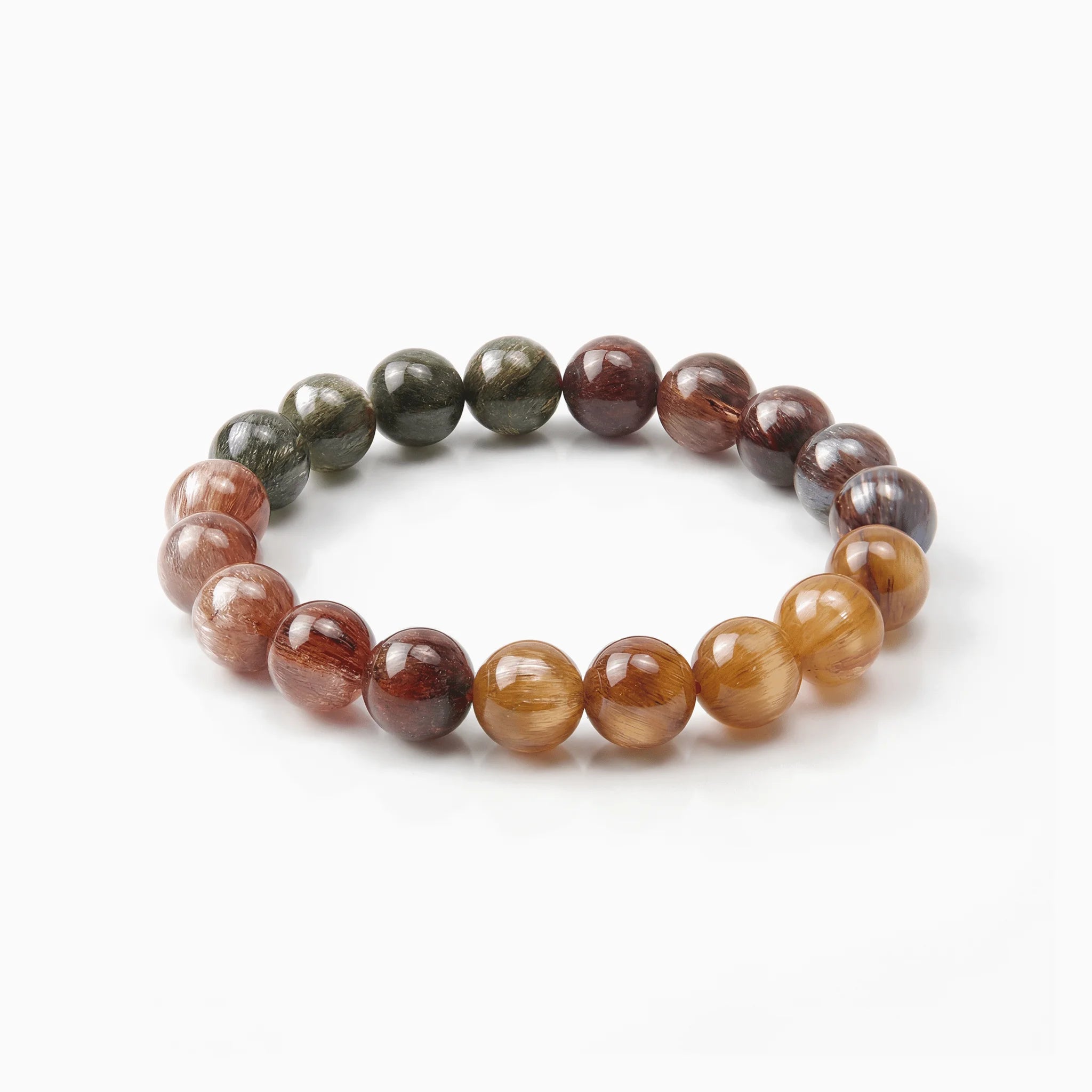
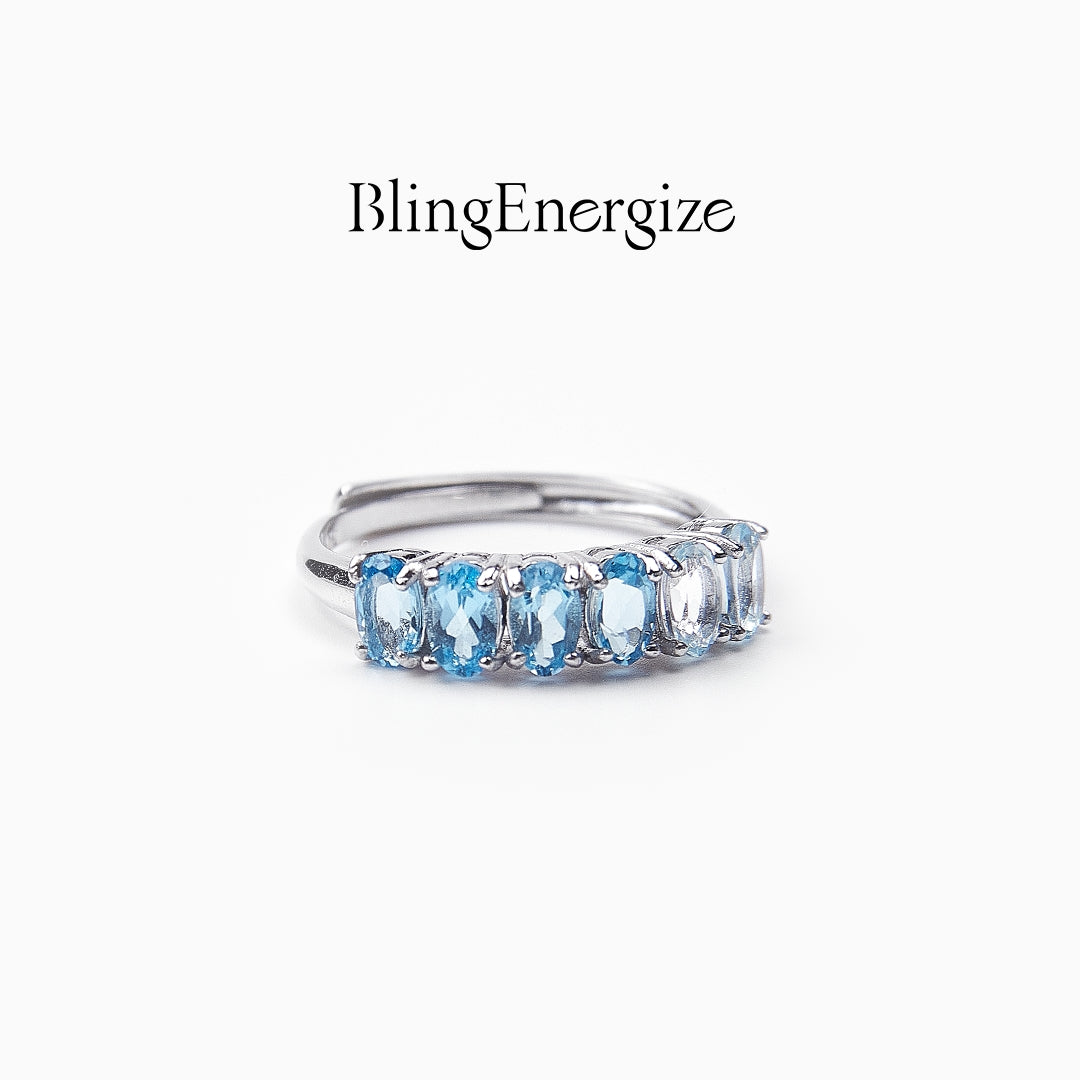
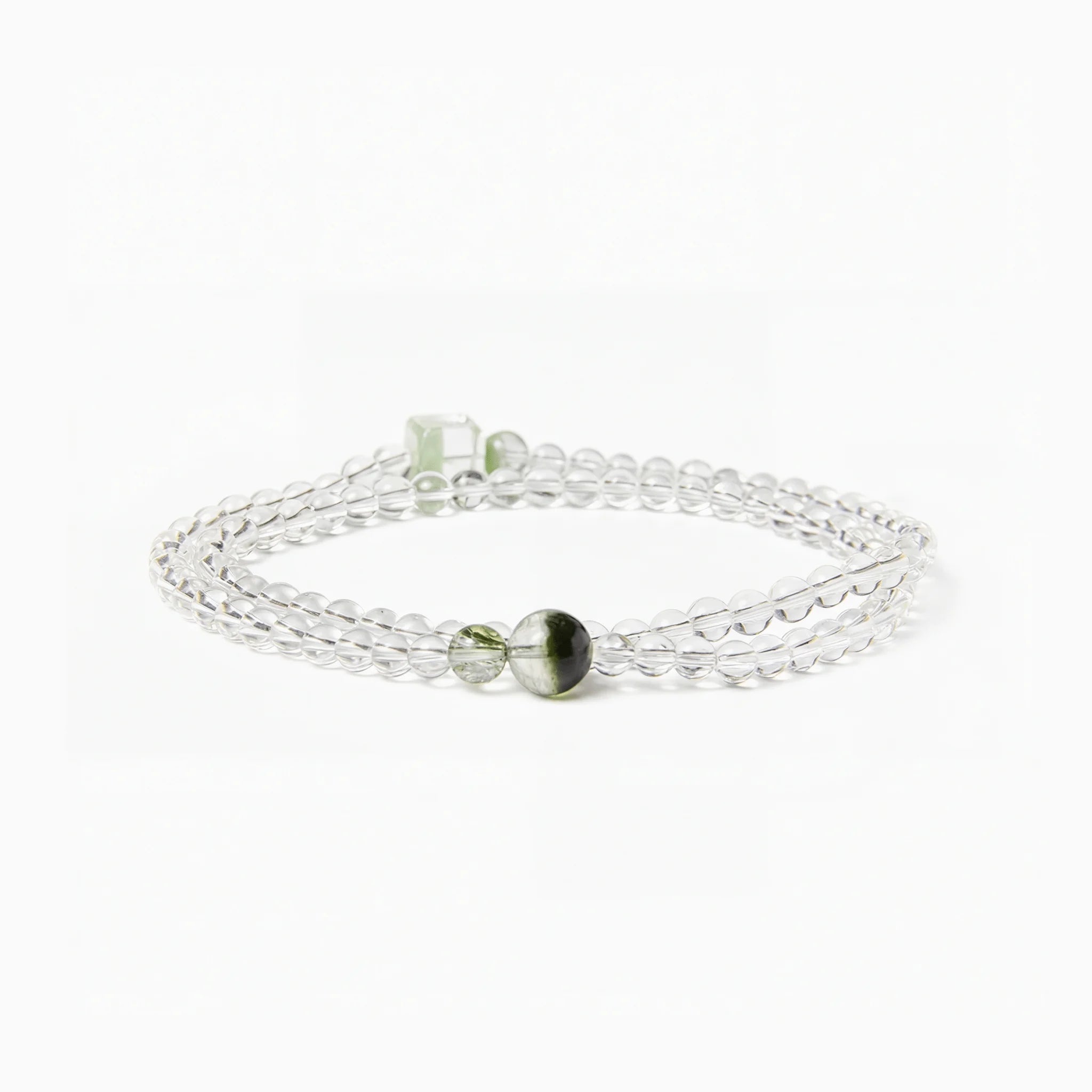
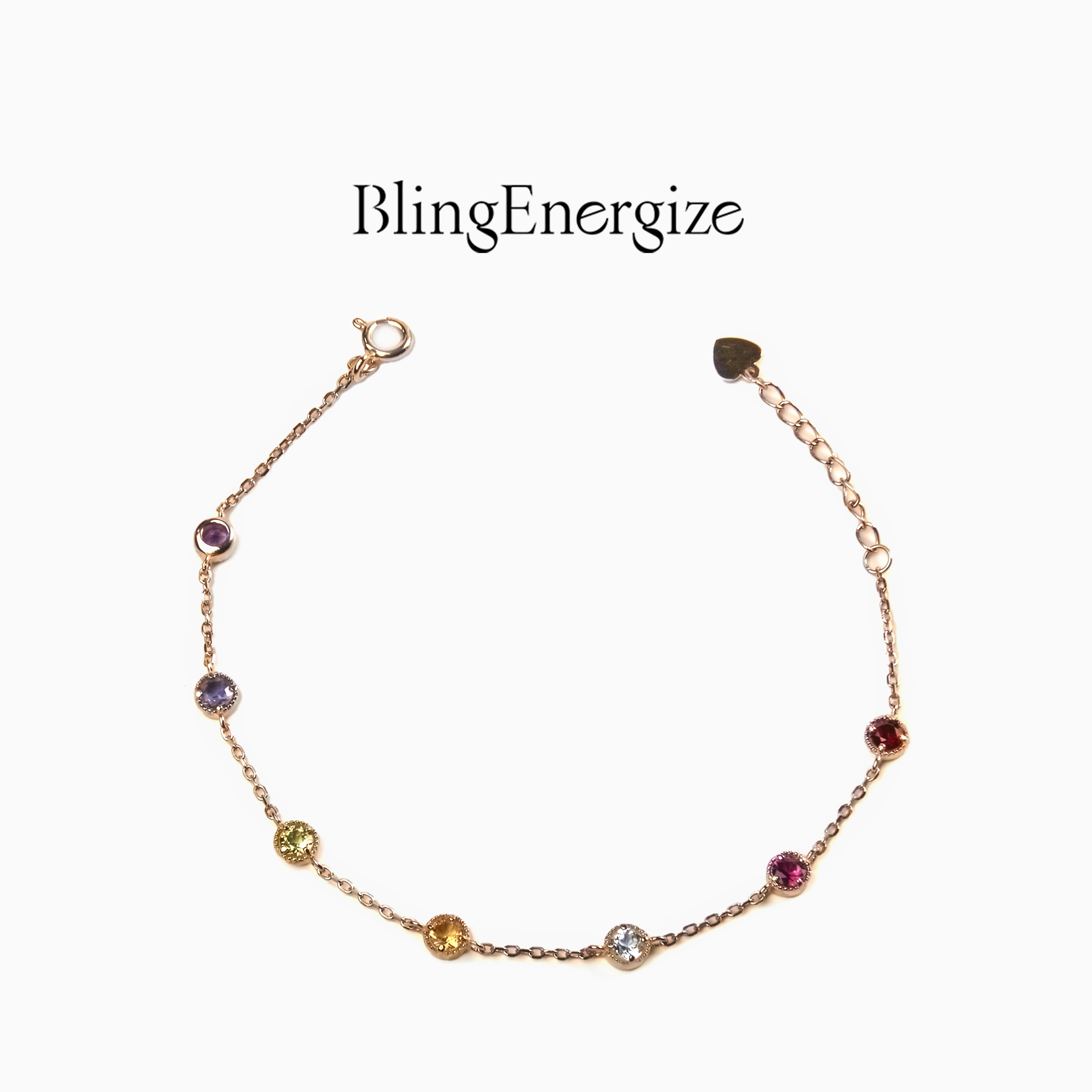
Each crystal in BE.'s collection has a distinct visual character. Amethyst is cool, violet, and versatile. Moonstone is optical and dynamic — it appears to move in light. Citrine is warm, solar, and extrovert in energy. Obsidian is bold and architectural. The right choice is the one that resonates with your existing aesthetic and how you want your jewelry to feel throughout the day.
Which star sign or birthstone is crystals associated with?
Crystal-to-zodiac associations vary by tradition and should be treated as cultural reference rather than prescription. The most reliable guide is always your visual and tactile response to the stone itself. If you'd like specific guidance, the BE. team is happy to help match you to a stone based on your preferences.
If I could only buy one crystal to start, what should it be?
For jewelry specifically, amethyst is the most versatile starting point. The colour works with a wide range of wardrobe palettes, the stone is durable enough for daily wear, and it's available in a range of sizes and formats. It is also the stone with the most developed cultural and historical context if you want to learn about crystals through wearing them. That said: trust your visual instinct. If you are drawn to moonstone or citrine over amethyst, that draw is more reliable than any generic recommendation.
What's the difference between crystal jewelry and crystal home objects?
The function differs more than the material. Jewelry keeps the stone in contact with you throughout the day, making it part of how you dress and present yourself. Home objects create visual anchors in your environment. Both are valid uses — many people who find a particular stone meaningful want both. Starting with jewelry is more portable and versatile; you can experience the stone in many contexts before deciding on larger pieces.
How do I know BE.'s crystals are sourced responsibly?
BE. works with verified suppliers and can provide provenance information for all stones. We disclose treatment status (e.g., heat-treated vs. natural) on every product page. If you have questions about the origin of a specific stone, you can ask us directly — we believe transparency is the minimum standard for any responsible crystal seller.
Explore the BE. Crystal Collection → 📎 [PLACEHOLDER – insert link to: /collections/all]
Partager:
Quatre chemins de formation géologique